Haringey removals in Haringey

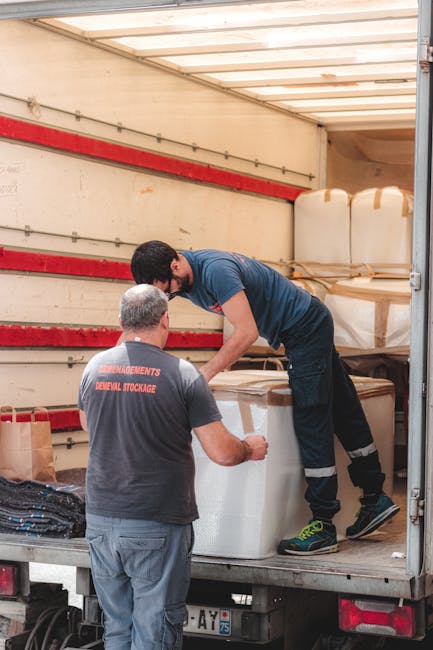
Our Haringey removals service in Haringey is built around careful household and business moving work, with practical support for lifting, carrying, loading and arranging items for transport. We handle the move itself in a structured way, keeping attention on the items being moved, the access needed at each property and the order in which belongings are placed into the vehicle. That makes it easier to manage a straightforward local move as well as a more involved relocation with multiple rooms or heavier furniture.
For many customers, the main value is having one service that can cover the full moving process without turning it into a series of separate arrangements. We can assist with home moves, larger household relocations and the handling of individual bulky items where a full move is not required. The work is planned around the contents involved, so fragile belongings, awkward furniture and everyday boxed items can each be handled with the right level of care.
If you are comparing options and want a practical way to get started, you can request a quotation once you know what needs moving and when the move is likely to take place. A clear enquiry helps us look at the scale of the job, the access involved and any extra handling needs, so the service can be matched to the move rather than forced into a one-size-fits-all approach.
House and flat removals planned around the property
We handle both full-house and apartment moves with an approach that reflects the differences between property types. A house removal may involve several rooms, garden items, loft contents or heavier furniture that needs careful carrying through hallways and staircases. A flat move may need more attention to lift access, shared entrances, parking arrangements and the sequence in which items are taken out, especially where space is tighter and timing matters.
Our house removals work is suited to people moving the contents of an entire home, while flat removals focus on the practicalities of apartment buildings and shared access. Both services are designed to keep belongings organised and manageable on the day, with the emphasis on safe lifting, sensible loading and steady movement rather than rushed handling. Where items are especially cumbersome, the plan can account for the route they need to take before loading begins.
Useful preparation makes a move easier to schedule and can reduce delays on the day. It helps to note the main items involved, any pieces that need dismantling or protection, and any access constraints such as stairways, narrow turns or limited parking. If you are gathering information for a quote, keep it simple and accurate: the type of property, the number of rooms, the rough volume of items and the dates you are considering are usually enough to start a proper conversation.
Packing support for safer transport

Packing often determines how smoothly a move goes, especially when a property contains breakables, mixed household items or belongings that need to be grouped by room. Our packing-related support is intended to help customers protect items before they are loaded, rather than leaving everything loose and difficult to handle. Boxes that are well filled, labelled and sealed can be moved more safely and unpacked more efficiently at the other end.
We provide packing and boxes information for customers who need materials and practical packing options, together with packing and unpacking services where extra help is needed with preparation before the move and sorting afterwards. These options are useful for households with delicate pieces, busy schedules or rooms that contain a large mix of small items. They are also helpful when a move needs to be carried out in an orderly way because some possessions must be separated from general household contents.
Good packing is not only about protection; it also supports a calmer loading process. Heavier boxes should stay manageable, fragile items need clear wrapping, and loose contents should be kept from shifting. If you know which rooms contain the most fragile or time-consuming belongings, mention that when you enquire so the packing support can be considered alongside the move itself, rather than added at the last minute.
Furniture, heavy items and specialist handling
Some moves are straightforward until one or two difficult items appear. Large wardrobes, beds, tables, awkward sofas and solid shelving can all require more than a simple carry from one room to another. Our furniture-focused removals work is aimed at those items that need a controlled route, the right number of hands and careful loading so they arrive in good order. The aim is to make heavy lifting more manageable without treating every item as if it has the same handling needs.
Where a customer needs help with a smaller number of pieces rather than a full property move, furniture removals and furniture pick-up can be useful options. These services suit standalone items, second-hand purchases, household replacements and pieces that are too large for a normal car. For particularly delicate or awkward items, the approach can be adapted so the handling matches the object, the access and the route through the property.
Careful assessment of the item matters before moving day. The dimensions, weight, shape and finish of furniture can affect whether it needs protecting, dismantling or additional handling. Where possible, it is sensible to identify items that will need doors removed, legs taken off or extra space around corners. That helps the moving work stay tidy, avoids unnecessary strain and makes the loading process more organised from the outset.
Business moves and office relocations

Commercial moving work requires a different rhythm from a domestic move because desks, files, chairs, screens and storage units often need to be taken out in a planned sequence. Our commercial removals are arranged to support offices and workspaces that need their contents moved with attention to equipment, paperwork and business continuity. The emphasis is on moving items efficiently while still keeping them grouped in a way that makes setup easier afterwards.
We handle commercial moves, office removals and office relocation services for businesses that need practical support with a change of premises. Depending on the move, this may involve workstations, meeting furniture, archive materials or general office contents. A planned approach helps reduce confusion when there are multiple departments, several floors or items that need to be placed in specific rooms once they arrive.
It is helpful to think about office moves in terms of priorities: what needs to be moved first, what can be packed in advance, and what must stay available until the last stage. If you are organising a relocation, you can prepare a simple list of key furniture, sensitive items and access points. Clarity at the start makes it easier to shape the move to the space you are leaving and the one you are entering.
Storage, timing and flexible moving arrangements
Not every move happens in one uninterrupted step. Sometimes belongings need to be moved out before a new property is ready, or certain rooms need to be cleared in stages. In those situations, storage can help keep the move practical and less crowded. Rather than forcing everything to be transferred on the same day, items can be managed in a way that suits the timetable and the condition of the properties involved.
Our storage option is useful when you need to separate the move-out date from the move-in date or keep selected items secure while other plans are completed. This can be particularly helpful during refurbishment, between tenancies or when furniture cannot yet be placed at the destination. It can also support moves that involve downsizing, because not every possession needs to travel immediately to the next address.
There are also situations where timing matters more than storage, such as urgent clear-outs, short notice moves or a change to the schedule that needs a practical response. In those cases, a straightforward conversation about dates, access and the amount to be moved is the best starting point. You can ask for a quote once you know whether the move needs to be direct, staged or supported by temporary holding arrangements.
Smaller moves, student jobs and short-notice help
Not every job is a full house relocation. Some customers only need a few boxes, a bed, a desk or the contents of one room moved from one place to another. Smaller moving work still benefits from planning, because awkward items, stairs and parking can matter even when the quantity is limited. We therefore treat compact jobs with the same practical thinking as larger ones, just on a lighter scale.
Our man and van, man with a van and student removals pages reflect the kinds of smaller-scale moving work that often needs a simpler setup. They are useful for room changes, student accommodation moves, items collected from shops or private sellers, and relocations where only a modest load is involved. If the move is small but includes something unusually heavy or awkward, that still needs to be considered when arranging the job.
For less predictable schedules, a same-day arrangement may be possible where the logistics are realistic and the volume is appropriate. Our same-day removals service is designed for moves that need a prompt response, although the exact plan still depends on access, quantity and timing. If you are trying to complete a move quickly, keep the scope clear and provide the key details in one go so the arrangement can be assessed properly.
About Haringey
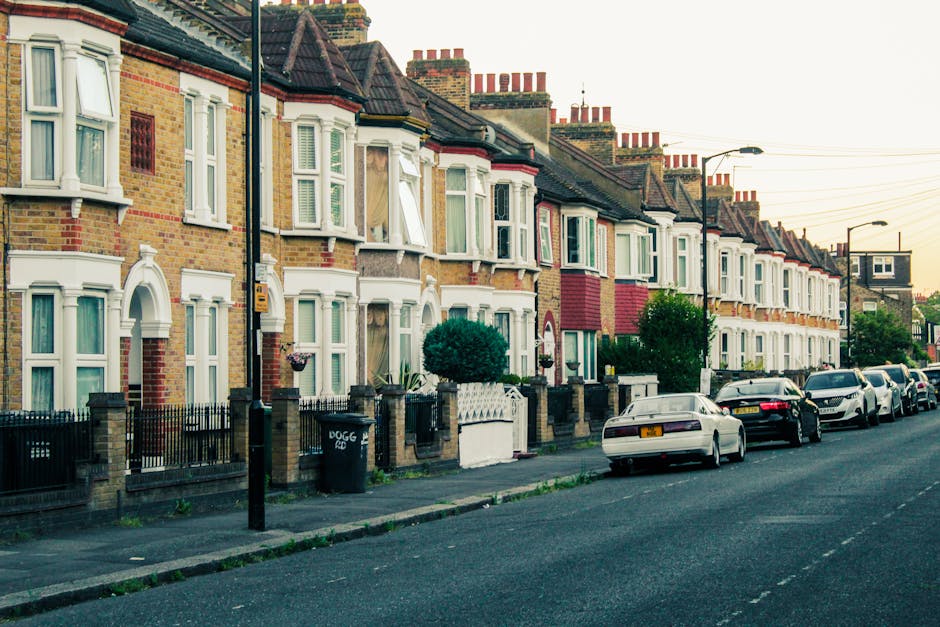
Haringey is a North London borough with a varied landscape that runs from the high ground of Highgate and Muswell Hill down to lower-lying districts such as Tottenham and Wood Green. The area took its modern borough form in 1965, bringing together districts with distinct histories, housing patterns and local centres. That mix is still visible in the streetscape: suburban avenues, Victorian terraces, interwar housing, high-rise developments and commercial corridors sit alongside older village-like enclaves and long-standing public spaces. Alexandra Palace, first opened in the nineteenth century, remains one of the borough’s best-known landmarks, set within extensive parkland that looks across much of London. Finsbury Park lies on the borough’s southern edge, while Alexandra Park, Priory Park and Downhills Park offer different scales of open space and recreation. The Borough of Haringey also includes parts of the historic routes of Tottenham and Hornsey, names that reflect older administrative geographies and settlement patterns. Transport links have long shaped movement through the borough, with rail, Underground and main road connections making it a place of constant passage as well as residence. Market streets, local parades of shops and cultural venues contribute to a strong sense of everyday activity, while the presence of green spaces and historic buildings gives the borough a layered character rather than a single dominant identity. In that sense, Haringey is best understood not as one uniform district but as a collection of neighbourhoods with shared civic boundaries and very different local atmospheres.
How to prepare a practical moving enquiry

When you are ready to make contact, the most helpful enquiry is usually the one that gives a clear picture of the move without overcomplicating things. A short description of the property type, the rooms involved, the main furniture pieces and the desired date or date range is often enough to begin. If there are stairs, narrow access points, parking concerns or items that need special care, it is best to mention those early so the moving plan can be matched to the situation.
It can also help to separate the essentials from the extras. For example, you might need the main move handled on one day, but packing support, furniture removal or storage arranged differently. Services such as removals and removal services cover the broader moving work, while pricing and quotes is the place to think about the information needed for an accurate estimate. That way, the enquiry stays focused on what actually needs moving rather than becoming a long list of unrelated points.
If you are comparing options, remember that a detailed quotation is easier to shape when the scope is honest and complete. We can then consider the type of items, the access and the timing as part of one move plan. Contact us to request a quotation when you are ready, and keep the details concise, so the next step is clear and efficient.
Choice of service for different moving needs
Different moves call for different levels of support, and it is often worth choosing the service that matches the amount and type of work involved. A household relocation, a single-piece furniture collection and an office move all involve removal work, but they do not need to be approached in exactly the same way. The best result usually comes from selecting the page and service that most closely reflects the items, access and timing of the move.
Where customers need a van-based moving solution, the relevant pages include moving truck, removal van and removal truck hire. For those focusing on the broader service rather than the vehicle, removal companies and removals describe the moving work at a general level. The main point is to choose the kind of help that fits the scale of the move, rather than assuming every job needs the same vehicle or the same level of handling.
Some customers also want to understand practical and administrative details before booking. If that applies, pages such as health and safety policy, insurance and safety and payment and security can provide context for how the business presents those topics. You do not need to read everything before enquiring, but they can be useful if you prefer to check supporting information first.
Planning around access, rooms and moving order

A good moving plan does not just list the items to be transported; it also considers the order in which they should be handled. Large furniture often needs to go first, boxed items may be stacked more easily afterwards and fragile belongings are usually best kept separate until loading is organised. By thinking about the sequence, the move becomes easier to manage in confined spaces and less likely to create avoidable bottlenecks.
For customers moving from busy households or workspaces, a simple room-by-room approach is often the most practical. It can be useful to group possessions into categories such as furniture, kitchen items, paperwork, clothing and fragile objects, then identify anything that should not be mixed with general loads. If needed, small decisions made in advance can save time on the day, especially where access is limited or the property has shared areas that need to stay clear.
Once the key details are known, the next step is straightforward: decide what needs to be moved, choose the type of service that fits, and ask for a quotation based on the actual job. If you are ready, make an enquiry today and we can help you move from planning to a workable arrangement without unnecessary fuss.