What to know about removals quotes in Haringey
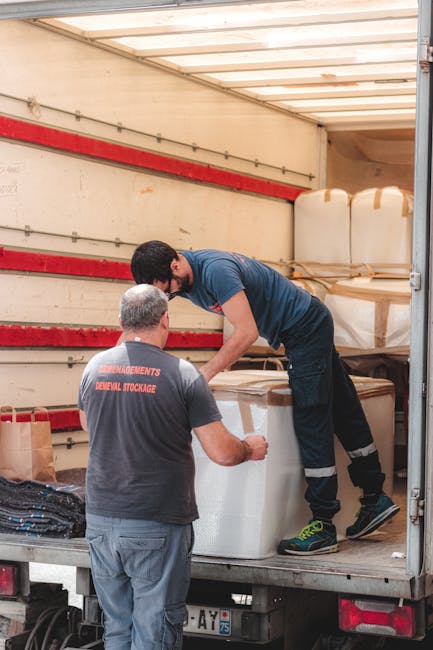
If you are planning a move, the quote stage can feel deceptively simple. You ask for a price, somebody sends a number, and that should be that - except it rarely is. The real question is whether the removals quote is accurate, fair, and properly matched to your move in Haringey. One bad estimate can lead to a rushed move, surprise add-ons, or a van that is far too small. Not ideal, frankly.
This guide explains what to know about removals quotes in Haringey in plain English. You will learn how quotes are built, what affects the final cost, which details matter most, and how to compare providers without getting lost in jargon. There is also a checklist, a comparison table, and a practical example so you can make a sensible decision with a bit more confidence.
Why removals quotes in Haringey matter
A removals quote is more than a price tag. It is the first serious indication of how a moving company understands your job, your property access, your timing, and the level of support you need. In an area like Haringey, where you might be dealing with a top-floor flat, narrow streets, controlled parking, or a move with limited loading time, the quote can quickly become the difference between a calm move and a small logistical headache.
People sometimes focus only on the cheapest figure. That is understandable. Moving already feels expensive, and every extra pound matters. But a quote also tells you whether the mover has listened properly. Did they ask about stairs, lifts, parking, bulky furniture, dismantling, or packing? If not, the number might be more guesswork than estimate. And guesswork is where moving budgets go sideways.
There is also a trust issue. A clear quote signals transparency. A vague one can hide extras, unclear labour time, or charges for things you assumed were included. The better the quote, the easier it is to compare removal companies fairly, rather than comparing apples with a box of random pears. Bit of a mess, that comparison.
For some moves, the quote is also a planning tool. If you know whether you need packing and boxes, a man and van, or a larger vehicle from a moving truck option, you can shape the move before it starts. That matters just as much as the final total.
How removals quotes in Haringey work
Most removals quotes are built from a combination of volume, time, access, and service level. In simple terms, the company tries to work out how much stuff you have, how long it will take to move, what kind of vehicle and crew are needed, and whether any extra work is involved.
A basic quote may be based on a short phone call or online enquiry. A more reliable quote usually comes from a fuller assessment. That could include a walk-through, video survey, photos, or a detailed inventory. The more specific the information, the more realistic the estimate tends to be. It sounds obvious, but people often skip the detail and then wonder why the price shifts later.
Here are the main elements that usually shape a quote:
- Property type: house, flat, studio, office, or student accommodation.
- Move size: number of rooms, boxes, and bulky items.
- Access: stairs, lift access, walking distance to the van, parking restrictions, and loading space.
- Distance: local moves, cross-city moves, or longer journeys.
- Timing: weekday, weekend, month-end, peak season, or short notice.
- Additional services: dismantling, wrapping, packing and unpacking services, storage, and specialist handling.
One practical point: a quote is only as good as the information behind it. If you leave out the upright piano in the corner, the garden shed contents, or the awkward sofa that barely made it into the property in the first place, the final job can look very different from the original estimate. That is when stress creeps in.
Good movers will normally explain whether the quote is fixed, hourly, or conditional on final survey details. If that is not clear, ask. No drama. Just ask.
Key benefits and practical advantages
The best removals quotes do three things at once: they help you budget, they help you compare providers, and they reduce unpleasant surprises on moving day. That alone is worth a lot.
First, they improve budgeting. If you are arranging a full home move, you likely have enough moving parts already - deposits, cleaning, new furniture, utility changes, and maybe storage. A clear removals quote gives you one anchor point in all that noise.
Second, they make comparison easier. Two quotes can look similar at first glance, but one may include wrapping, waiting time, and dismantling while the other does not. Comparing the structure of the quote is often more useful than comparing the headline total.
Third, they reveal service quality. A detailed quote usually shows a company that thinks methodically. That is a reassuring sign for anything from a small flat removal to a larger office relocation. It does not guarantee perfection, of course, but it does reduce the odds of vague surprises.
Fourth, they help you choose the right move type. Some customers discover they do not need a full-scale removals team at all. A smaller van or a flexible man with van option may be enough. Others realise they need secure temporary storage because completion dates do not line up. The quote process helps you see that early, which is a relief in itself.
Expert summary: A good removals quote should feel specific, readable, and calm. If it feels rushed, vague, or oddly cheap, it usually deserves a second look.
Who this is for and when it makes sense
This topic matters to almost anyone moving within or out of Haringey, but it is especially useful if your move has any of the following features:
- You are moving from a flat, maisonette, or property with stairs.
- You have furniture that needs careful handling, like a piano or large wardrobe.
- You are moving with limited parking or time windows for loading.
- You need packing help, storage, or short-notice support.
- You are comparing a few removal services and want to understand what is actually included.
- You are a student, tenant, landlord, business owner, or family household trying to keep the move tidy and controlled.
If you are arranging student removals, quotes tend to be especially important because the move is often time-sensitive, budget-sensitive, and a bit last-minute. If you are dealing with an office move, the quote is about more than cost; it is about limiting downtime and making sure the day runs to plan. Different needs, different shape of quote.
For larger or more complex jobs, people often also look at office removals, commercial moves, or more specialist options such as piano removals. A quote should reflect those specifics rather than forcing everything into one generic moving template.
To be fair, even a small move can be tricky if the access is awkward. A one-bedroom flat on a busy road can create more logistical friction than a larger house with easy driveway access. That is why the quote conversation matters from the start.
Step-by-step guidance
Here is a practical way to handle removals quotes without getting overwhelmed.
- List everything that is moving. Include furniture, boxes, awkward items, and anything stored in lofts, sheds, or cupboards. A quick scribble often becomes a better quote than memory alone.
- Note access details. Mention stairs, lifts, parking, distance from property to vehicle, and any restrictions. This is where many surprises start.
- Decide what help you need. Do you need packing, dismantling, reassembly, or only transport? If you are unsure, compare with the practical scope of removals and related services before choosing.
- Ask how the quote is calculated. Is it hourly, fixed, or based on inventory? What would change the price?
- Check what is included. Look for labour, vehicle size, mileage, fuel, waiting time, stairs, and materials. If the quote includes packing and boxes, make sure the scope is clear.
- Compare like for like. Do not compare a bare-bones quote with one that includes extra services. That is a false economy and, honestly, a common trap.
- Ask about insurance and liability. You do not need a lecture, just a clear explanation of how the company handles damage or loss. The page about insurance and safety should help you understand the basics.
- Read the terms before you book. Cancellation rules, access assumptions, deposits, and payment timing all matter. Quietly, they matter a lot.
A useful little habit: save every quote in one folder and keep the notes beside it. A screenshot is fine. A note on your phone is fine too. Five days later, when you are juggling keys, boxes, and a missing kettle, you will be glad you did.
Expert tips for better results
There are a few things experienced movers tend to do that save time, money, and stress. Nothing magical. Just good habits.
Be overly clear about awkward items. Oversized mirrors, glass tables, beds with storage, and anything fragile should be declared early. If the mover knows about them, they can plan wrapping, carrying, and loading properly.
Ask whether dismantling is included. Wardrobes, beds, and shelving often need to be taken apart and rebuilt. If that is not in the quote, you want to know before the crew arrives with a toolbox and a timetable.
Use photos when possible. In the real world, a few well-taken photos often explain a property better than a long paragraph. Hallway width, stair turns, and parking access become obvious very quickly.
Get the timing right. If your completion is late afternoon, mention that. If keys might be delayed, say so. The same goes for school runs, building access rules, or lift bookings. These little timing issues can ripple through the day.
Think about whether you need storage. If your dates do not line up perfectly, adding storage to the plan may be cleaner than forcing everything into one rushed day. A lot of move stress comes from trying to make imperfect dates behave perfectly. They rarely do.
And one more thing: if a quote sounds suspiciously low, pause. Not because every low quote is bad, but because some numbers are low for a reason. Perhaps they exclude labour beyond a few hours. Perhaps they assume easy access that you do not actually have. Perhaps they just want the booking. You can usually feel when something is off.
Common mistakes to avoid
A few avoidable mistakes crop up again and again. If you sidestep these, you are already ahead of many movers.
- Choosing only on price: Cheap is tempting. But if the quote leaves out essentials, it may cost more later.
- Underestimating volume: One-bedroom flats can still generate a surprising amount of stuff. The boxes multiply. They always do.
- Ignoring access problems: Parking restrictions and narrow staircases are not minor details. They directly affect time and labour.
- Forgetting extra services: Packing, unpacking, dismantling, and material costs are often separate unless clearly included.
- Not checking the booking terms: A quote is only useful if you know what happens if the schedule changes.
- Assuming every mover prices the same way: One company may quote by hour, another by move size, another by a tailored assessment.
One of the most common real-life issues is simple: the customer has mentally already packed, dismantled, and carried half the move without telling anyone. Then the quote looks great, but the day itself becomes a scramble. Better to be candid from the start, even if it feels like you are mentioning too much. You are not.
Tools, resources and recommendations
You do not need complicated tools to manage removals quotes well. A few practical resources make the whole process smoother.
- A room-by-room inventory: This can be a simple list on paper or a note app.
- Phone photos or a short video: Useful for showing furniture, stairs, and access points.
- A moving folder: Keep quotes, terms, and contact details together.
- Packaging supplies list: If you need cartons, tape, or wrapping, note it early so the quote can reflect that.
- Calendar reminders: Good for booking surveys, confirming dates, and checking deadlines.
If you are unsure what level of support to choose, it can help to compare general moving support with more specific services such as house removals, house removalists, or flat removals. The service type often affects the quote structure more than people expect.
For items that need specialist handling, such as furniture or heavy household pieces, look at whether the provider offers furniture removals or furniture pick up. If you are moving a business, office relocation services may be the better reference point. Again, the quote should match the job, not the other way round.
Law, compliance, standards, and best practice
For moving quotes, the most useful compliance angle is usually not legal technicalities but honest business practice. In the UK, customers generally expect clear terms, transparent pricing, and reasonable care with belongings. You should be able to understand what you are paying for before you commit.
Best practice in removals usually includes:
- clear written or documented quotes where possible;
- obvious explanation of what is included and excluded;
- reasonable handling of fragile or high-value items;
- basic attention to safety when carrying, loading, and transporting goods;
- plain-language payment terms and cancellation conditions.
For commercial jobs, the standards around planning and access become even more important because delay can affect staff, clients, and business continuity. For domestic moves, safety and careful handling are still central. If you want to understand how a provider approaches these areas, the pages on health and safety policy, payment and security, and terms and conditions are worth reading before booking.
It is also sensible to review how a company treats complaints and customer concerns. Nobody plans for a problem, but if one happens, you want to know there is a clear route to resolve it. That is just sensible housekeeping, really.
Options, methods, and comparison table
Different kinds of moves need different quoting approaches. A comparison helps you decide what fits your situation best.
| Quote method | Best for | Strengths | Watch out for |
|---|---|---|---|
| Quick phone quote | Small, straightforward moves | Fast and convenient | Can miss access issues or bulky items |
| Photo or video quote | Most home moves and flat moves | Better detail without a full visit | Needs honest visuals and good communication |
| Home survey | Larger or more complex moves | Most accurate for inventory and access | Takes more time to arrange |
| Hourly rate quote | Flexible, smaller local jobs | Simple for short moves | Can rise if delays or access problems occur |
| Fixed-price quote | Defined jobs with clear scope | Budget certainty | Depends on accurate information upfront |
If you are not sure which approach suits you, think about the move from the company's point of view. Can they see the whole job clearly? If yes, a fixed estimate may work well. If the details are still shifting, a more flexible method might be more appropriate. That is especially true for last-minute moves and same day removals, where timing changes can affect the final plan quite a lot.
Case study or real-world example
Imagine a couple moving from a two-bedroom flat in Haringey to a nearby house. At first, they describe the move as "fairly standard." That is usually the phrase that makes a surveyor quietly lean forward.
Once they send photos, a few things become clearer: a third-floor walk-up, a heavy sofa bed, several framed items, limited parking, and a narrow entrance that makes large furniture awkward to turn. They also want their wardrobe dismantled and rebuilt, plus some packing help for kitchen items that are still not in boxes because life got busy.
The first rough quote was low. After the full detail was shared, the estimate changed. Not wildly, but enough to reflect the actual effort involved. In the end, they chose a provider that included packing support, careful loading, and a clear moving schedule. They also avoided booking a van that would have been too small, which would have caused an ugly second-trip situation. Nobody wants that on a Friday afternoon with rain in the air.
The lesson is simple: the best quote is the one that tells the truth early. It might not be the cheapest number on day one, but it is usually the one that holds up on moving day. And that, to be fair, is the real win.
Practical checklist
Use this checklist before accepting any removals quote in Haringey:
- Have I listed every room and storage space?
- Have I mentioned stairs, lifts, parking, and walking distance?
- Do I know whether packing is included?
- Are dismantling and reassembly included or extra?
- Is the quote fixed, hourly, or provisional?
- Do I understand what happens if the move takes longer than expected?
- Have I checked the terms, payment details, and cancellation policy?
- Have I asked about insurance and handling of fragile items?
- Do I need storage, a smaller van, or specialist help?
- Does the quote feel clear enough that I could explain it to someone else?
If you can tick most of those off, you are in a much better position. If not, pause and ask a few more questions. It is easier to spend ten minutes clarifying a quote than ten hours dealing with the fallout later.
Conclusion
What to know about removals quotes in Haringey comes down to one thing: a good quote should reflect your actual move, not a rough guess. The more detail you provide, the more useful the estimate becomes. And the more clearly you compare quotes, the easier it is to spot real value rather than a tempting headline figure.
Whether you are moving a flat, a house, a student room, or a business premises, the same basics apply. Be clear about access, ask what is included, check the terms, and do not be shy about requesting clarification. A solid quote should reduce stress, not add to it. Simple as that.
If you are still weighing up your options, take a moment to review the relevant service pages, then decide what level of support fits your move best. A careful start usually makes the whole day feel lighter. And that is worth a lot when boxes are stacked by the door and the kettle has vanished into one of them.
Get a free quote today and see how much you can save.
Move well, plan gently, and give yourself a little breathing room. It makes the whole thing feel less like a scramble and more like a fresh start.
Frequently Asked Questions
What should a removals quote in Haringey include?
A proper quote should normally explain labour, vehicle use, journey details, access assumptions, and any extras such as packing, dismantling, or storage. If something is not mentioned, ask whether it is included.
Is a fixed quote better than an hourly quote?
Not always. A fixed quote can be useful if the move is well defined, while an hourly quote may suit smaller or more flexible jobs. The best option depends on how clear the scope is.
Why do removals quotes vary so much?
They vary because every move is different. Stairs, parking, volume, timing, and added services can all shift the price. Two moves that sound similar can be quite different once the practical details are known.
How can I avoid hidden charges?
Ask for a written breakdown, check what is excluded, and confirm how access problems or waiting time are handled. A transparent quote should make the likely extras obvious.
Should I send photos when asking for a quote?
Yes, if possible. Photos help the mover judge furniture size, access, and the overall shape of the job. They often improve accuracy without needing a full survey.
Do I need a survey for a small move?
Not always. A small local move may only need a phone or video estimate. But if access is awkward or the items are unusual, a survey can be very helpful.
What if my moving date changes after I get a quote?
Tell the mover as soon as you can. Date changes may affect availability or pricing, especially during busy periods or at the end of the month.
Are packing services usually included in removals quotes?
Sometimes, but not always. Packing is often quoted separately unless the mover clearly states it is included. Check before assuming anything.
Can I compare quotes from different types of movers?
Yes, but compare like for like. A full-service move, a man and van booking, and a specialist removal team may all solve different problems, so the quotes should be judged in context.
What should I do if a quote seems unusually cheap?
Ask what is covered and what is not. An unusually low quote can be fine, but it can also mean missing labour, limited time, or extra charges later.
How far in advance should I request removals quotes?
As early as possible, especially if you are moving at a busy time or need a specific date. Early quotes give you more choice and a calmer planning window.
Do removals quotes cover insurance?
Not automatically in the same way every time. You should ask how goods are protected and what the company's insurance or safety approach covers before you book.